
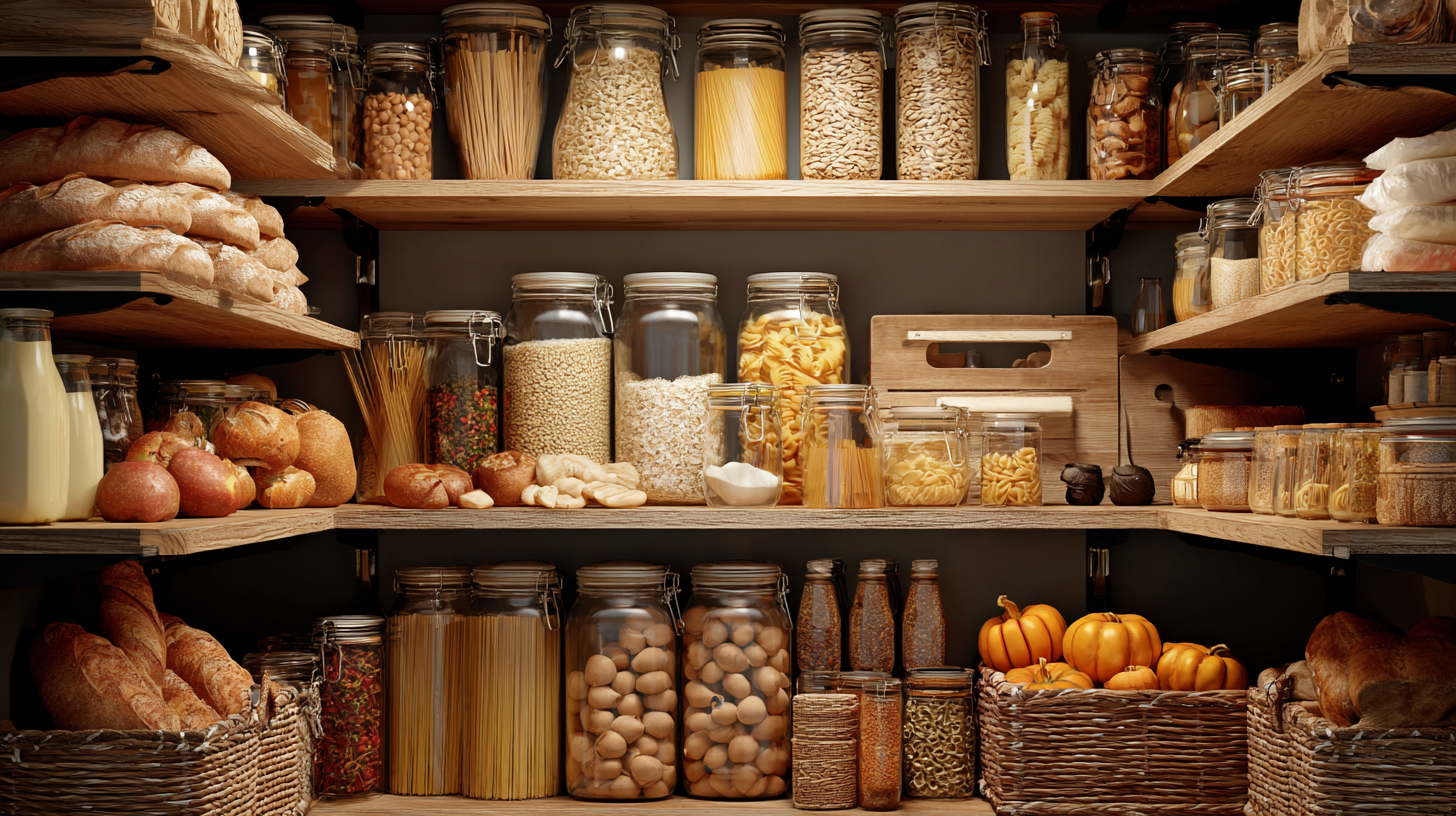
The difference between a household that cooks most nights and one that orders takeout three times a week usually isn’t cooking skill or motivation. It’s what’s in the pantry. When you open the cabinet and see options, dinner happens. When you open the cabinet and see a half-empty box of stale crackers and some expired canned soup, you’re reaching for your phone and opening DoorDash.
A well-stocked pantry doesn’t mean hoarding 200 ingredients or turning your kitchen into a mini grocery store. It means having a focused collection of versatile staples that combine into dozens of different meals with minimal fresh ingredients added. Once the pantry is dialed in, weeknight cooking goes from “what are we even going to eat” to “what do I feel like making tonight” in about thirty seconds.
The Foundation: Grains and Pasta
These are the backbone of quick weeknight meals because they’re cheap, shelf-stable for months, and serve as the base for almost anything. Keep at least three or four of these on hand at all times.
Rice is the most versatile. Long-grain white rice cooks in about 15 minutes and pairs with virtually every cuisine. Jasmine rice has a slightly floral aroma that works particularly well with Asian-inspired dishes. Brown rice is healthier but takes 40-plus minutes to cook, so it’s less ideal for quick weeknight meals unless you batch-cook it on the weekend.
Pasta in two or three shapes covers most situations. Spaghetti or linguine for simple sauces, penne or rigatoni for chunkier sauces and baked dishes, and a small shape like orzo or ditalini for soups. Dried pasta lasts practically forever in the pantry and cooks in 8 to 12 minutes.
Couscous is the secret weapon for truly fast dinners. It cooks in five minutes by just pouring boiling water over it and covering the bowl. Toss it with roasted vegetables, a protein, and a vinaigrette and you have dinner in the time it takes to set the table.
Quinoa is worth keeping around if you eat it. It cooks in 15 minutes, has more protein than most grains, and works in bowls, salads, and as a side dish. It’s one of those ingredients that sounds fancier than it is. It’s really just another grain that absorbs whatever flavor you put on it.
Canned and Jarred Goods
Canned goods are the ultimate pantry shortcut because they’re already cooked and ready to use. A few key items open up a huge range of meal possibilities.
Canned beans are probably the single most useful pantry item. Black beans, chickpeas, cannellini beans, and kidney beans each bring something different to the table. Black beans go into tacos, burritos, soups, and rice bowls. Chickpeas work in curries, salads, pasta dishes, and roasted as a crunchy snack. Cannellini beans are great in Italian-style soups and sauteed with garlic and greens. Kidney beans go into chili and red beans and rice. Keep three or four cans of each on rotation.
Canned diced tomatoes and tomato sauce are essential for pasta sauces, soups, chili, shakshuka, and braised dishes. A can of diced tomatoes, some garlic, olive oil, and dried herbs makes a perfectly good pasta sauce in 15 minutes. Tomato paste in a tube is more convenient than the cans because you can squeeze out a tablespoon at a time and keep the rest in the fridge for weeks.
Canned coconut milk is the base for Thai-style curries, soups, and sauces. Combined with curry paste and whatever protein and vegetables you have, it turns into dinner in 20 minutes. Keep two or three cans on hand.
Jarred salsa is more than a chip dip. It’s a ready-made sauce for chicken, a topping for grain bowls, a base for quick soups, and a marinade ingredient. A jar of good salsa in the fridge extends the life of leftovers by giving them a completely different flavor profile.
Chicken broth or vegetable broth in cartons or cans is the foundation for soups, risottos, and grain dishes. It adds flavor to rice when you cook it in broth instead of water, and it’s essential for deglazing a pan when you’re making a quick sauce.
Oils, Vinegars, and Sauces
This is where your pantry goes from functional to actually producing food that tastes good. The right sauces and condiments are what turn plain ingredients into meals with real flavor.
Olive oil is your everyday cooking fat. Use it for sauteing, roasting, dressings, and finishing dishes. A basic extra virgin olive oil for cooking and a nicer one for drizzling on finished dishes is a good setup if your budget allows it. Otherwise, one mid-range bottle handles everything.
Soy sauce is essential if you cook anything remotely Asian-inspired. It adds depth and saltiness to stir-fries, marinades, fried rice, noodle dishes, and sauces. A bottle lasts months and gets used constantly.
Hot sauce is personal preference, but having at least one bottle around adds life to eggs, tacos, soups, rice dishes, and sandwiches. Sriracha, Frank’s Red Hot, and Cholula are all solid all-purpose picks.
Vinegar in two or three types covers most needs. Red wine vinegar for dressings and Mediterranean dishes, rice vinegar for Asian-inspired cooking, and balsamic for roasted vegetables and finishing. Acid is one of the most overlooked elements in home cooking. A splash of vinegar at the end of cooking brightens up almost any dish that tastes flat.
Honey or maple syrup adds sweetness to dressings, glazes, and marinades. A honey-soy glaze on salmon or chicken takes 30 seconds to make and elevates a boring protein into something that tastes intentional.
Curry paste, either red or green Thai curry paste, lives in the fridge after opening and lasts for months. Combined with coconut milk, it’s the fastest path to a flavorful curry with whatever vegetables and protein you have available.
Spices and Dried Herbs
You don’t need 40 spice jars. You need about 10 that you actually use. The following covers the vast majority of home cooking situations.
Kosher salt and black pepper are obvious but worth mentioning because they’re the foundation of seasoning everything. If your food tastes bland, it almost certainly needs more salt.
Garlic powder and onion powder are not substitutes for fresh garlic and onion, but they’re invaluable when you’re short on time or want to add flavor to rubs, marinades, and quick sauces without the prep work.
Cumin is the backbone of Mexican, Indian, and Middle Eastern cooking. It goes into chili, tacos, curries, roasted vegetables, and spice rubs.
Paprika, either sweet or smoked, adds warmth and color to roasted meats, soups, and grain dishes. Smoked paprika in particular makes almost anything taste like it came off a grill.
Italian seasoning is a premixed blend of oregano, basil, thyme, and rosemary that saves you from buying four separate jars when you’re just starting out. It goes into pasta sauce, soup, roasted chicken, and bread dips.
Chili powder or red pepper flakes add heat to anything that needs a kick. Red pepper flakes are the more versatile option because you can add them in small amounts to control the spice level precisely.
Cinnamon might seem like a baking-only spice but it shows up in Moroccan dishes, chili, sweet potato recipes, and spice rubs for pork. It’s worth having even if you never bake.
The Fridge and Freezer Essentials
A stocked pantry works best when paired with a few fresh and frozen items that round out meals.
Eggs are the ultimate quick dinner ingredient. Scrambled eggs with whatever vegetables you have, fried eggs over rice with soy sauce, a frittata with leftover vegetables and cheese, or egg fried rice all come together in under 15 minutes.
Cheese, specifically a block of parmesan and some shredded cheddar or mozzarella, adds richness and flavor to pasta, eggs, grain bowls, quesadillas, and baked dishes. Parmesan in particular has an outsized impact on the flavor of simple pasta and soups.
Butter is a cooking fat, a finishing ingredient, and the difference between bland and delicious in many dishes. A pat of butter stirred into rice, pasta, or vegetables at the end of cooking adds richness that olive oil alone doesn’t achieve.
Frozen vegetables are nutritionally comparable to fresh and infinitely more convenient for weeknight cooking. A bag of frozen broccoli, peas, corn, or stir-fry mix goes from freezer to plate in five minutes and doesn’t go bad if you don’t use it right away. Keep three or four bags in the freezer at all times.
Frozen protein is your insurance policy against the “we have nothing to eat” spiral. Chicken breasts, ground turkey, shrimp, and fish fillets all freeze well and can be thawed in the fridge overnight or in cold water in about 30 minutes. Having protein in the freezer means you’re never more than 30 minutes away from a real dinner.
Putting It All Together
The power of a stocked pantry is that you stop needing recipes for every meal. When you know what you have, dinner becomes a formula rather than a project. Protein plus grain plus vegetable plus sauce equals dinner. The specifics change every night but the framework stays the same.
Monday might be chicken stir-fried with frozen broccoli and soy sauce over rice. Tuesday is pasta with canned tomatoes, garlic, and parmesan. Wednesday is black bean tacos with salsa and whatever fresh toppings you have. Thursday is coconut curry with chickpeas and frozen vegetables over couscous. Friday is egg fried rice with peas and sriracha. None of those meals take more than 20 to 25 minutes, none of them require a recipe, and all of them come almost entirely from pantry and freezer staples.
Restock as you use things rather than doing one massive shopping trip. When you open your last can of black beans, add it to the list. When the soy sauce is running low, pick up a new bottle. This rolling restocking approach keeps your pantry ready without requiring a huge upfront investment. Over time, you’ll develop an intuitive sense of what you go through fastest and what sits unused, and you can adjust your stock accordingly. The goal is a pantry that reflects how you actually cook, not a Pinterest-perfect collection of ingredients you bought once and never touched again.