
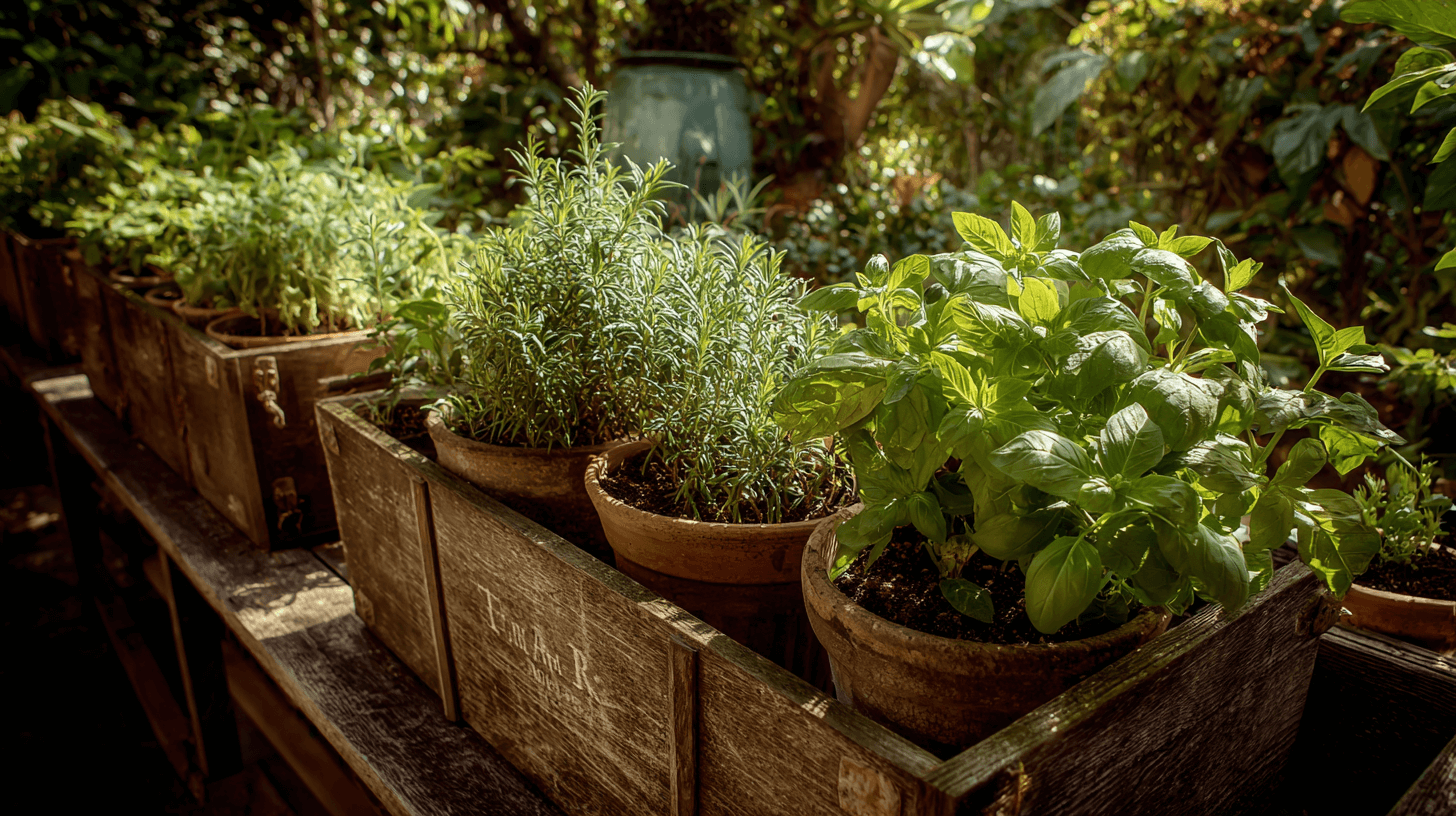
How to Start an Herb Garden in Your Kitchen
You don’t need a backyard, a green thumb, or any real gardening experience to grow fresh herbs in your kitchen. A sunny windowsill, a few pots, and some basic knowledge is all it takes. And once you’ve tasted the difference between fresh basil you just snipped off a plant versus the wilted stuff in a plastic clamshell from the grocery store, you’ll wonder why you didn’t start doing this years ago.
Fresh herbs are one of those small upgrades that make a disproportionate difference in home cooking. A handful of fresh cilantro on tacos. Fresh basil torn over pasta. Rosemary from the windowsill mixed into roasted potatoes. These are things that turn a decent meal into something that tastes like you actually know what you’re doing in the kitchen. And growing them yourself costs almost nothing after the initial setup.
Start With the Easy Ones
Not all herbs are created equal when it comes to indoor growing. Some thrive on a windowsill with minimal attention. Others are finicky, need specific humidity levels, and will die if you look at them wrong. Start with the herbs that are hard to kill and work your way up from there.
Basil is the gateway herb for most indoor gardeners. It grows fast, smells amazing, and gets used in everything from Italian to Thai cooking. It needs plenty of sunlight, at least six hours a day, and likes to be watered when the top inch of soil feels dry. Pinch off the tops regularly to encourage the plant to bush out rather than grow tall and leggy. Once basil flowers, the leaves start to taste bitter, so keep pinching those flower buds off as soon as you see them.
Mint is practically indestructible. It grows aggressively and will take over any container you put it in, which is actually why you should always grow mint in its own pot rather than alongside other herbs. It tolerates lower light than most herbs and bounces back quickly even if you forget to water it for a few days. Use it in cocktails, tea, salads, or as a garnish.
Chives are another low-maintenance winner. They’re part of the onion family and add a mild onion flavor to eggs, potatoes, soups, and just about anything savory. They grow upright like little green spears and don’t spread out much, so they work well in small pots. Snip what you need with scissors and the plant keeps producing.
Parsley, both flat-leaf and curly, grows well indoors and is one of the most versatile herbs in cooking. It’s slower to get started from seed than basil or mint, so buying a small starter plant saves you a few weeks of waiting. Parsley likes consistent moisture but doesn’t want to sit in waterlogged soil.
Rosemary is a little trickier indoors because it’s a Mediterranean plant that prefers drier conditions than most kitchens provide. But if you have a sunny south-facing window and don’t overwater it, rosemary can do well inside. Let the soil dry out between waterings and make sure the pot has good drainage. The reward is a woody, aromatic herb that’s perfect for roasted meats, bread, and potatoes.
Thyme is similar to rosemary in its preferences. It likes sun, doesn’t like wet feet, and does best in well-draining soil. The tiny leaves pack a lot of flavor and work in soups, stews, roasted vegetables, and pan sauces. It’s a slower grower, so don’t expect to harvest huge quantities, but a few sprigs here and there is usually all a recipe calls for.
What You Need to Get Started
The setup is simple and cheap. You need containers, soil, seeds or starter plants, and a spot with good light.
For containers, almost anything works as long as it has drainage holes in the bottom. Herbs sitting in standing water will develop root rot and die. Small terra cotta pots are classic and affordable, usually a couple of bucks each. Ceramic pots look nicer on a windowsill but can be pricier. Plastic nursery pots work fine too. If you’re using a container that doesn’t have drainage holes, you can drill your own or place a layer of small rocks at the bottom to keep roots out of pooling water, though proper drainage holes are always better.
Use potting mix, not garden soil. Garden soil from outside is too dense for containers and doesn’t drain well enough. A standard indoor potting mix from any garden center or hardware store works for most herbs. For rosemary and thyme, mixing in a little extra perlite or sand improves drainage, which those herbs prefer.
Seeds versus starter plants is a personal preference. Seeds are cheaper and more satisfying if you enjoy the process of watching something grow from nothing. But they take longer. Basil from seed takes about two to three weeks to sprout and another few weeks before you can start harvesting. Buying a starter plant from a garden center or even a supermarket gives you something ready to use almost immediately. The small herb plants at grocery stores are typically grown fast under ideal conditions and may not last as long as nursery plants, but they’re convenient and cheap.
Light Is the Most Important Factor
If there’s one thing that determines whether your indoor herb garden thrives or struggles, it’s light. Most culinary herbs need at least six hours of direct sunlight per day. A south-facing window is ideal. East or west-facing windows can work but you’ll get fewer hours of direct sun. North-facing windows generally don’t provide enough light for herbs to grow well without supplemental help.
If your kitchen doesn’t get enough natural light, a small LED grow light solves the problem. You can find clip-on grow lights for $15 to $30 that attach to a shelf above your plants and provide full-spectrum light on a timer. Set it for 10 to 12 hours a day and your herbs won’t know the difference between the grow light and a sunny day. This is especially useful during winter months when daylight hours are short and the sun angle is low.
Rotate your pots a quarter turn every few days. Plants naturally lean toward the light source, and rotating them keeps growth even rather than having everything bend sideways toward the window.
Watering Without Overdoing It
Overwatering kills more indoor herbs than underwatering. Most people’s instinct is to water their plants every day, which is too much for nearly every herb except basil during hot weather. The general rule is to stick your finger into the soil about an inch deep. If it feels dry, water it. If it still feels moist, leave it alone.
When you do water, water thoroughly so it runs out the drainage holes, then let the pot drain completely. Don’t let pots sit in saucers full of water. Herbs like rosemary and thyme prefer to dry out a bit between waterings. Basil and parsley like more consistent moisture but still don’t want soggy roots.
The size of the pot affects watering frequency. Smaller pots dry out faster than larger ones. A 4-inch pot might need water every two to three days in a warm, sunny kitchen. A 6 or 8-inch pot might go four to five days between waterings. Pay attention to the soil rather than following a rigid schedule.
Harvesting the Right Way
How you harvest makes a big difference in how long your plants produce. The general rule for leafy herbs like basil, mint, and parsley is to never take more than a third of the plant at once. This leaves enough foliage for the plant to continue photosynthesizing and growing new leaves.
With basil, always harvest from the top, cutting just above a set of leaves. This encourages the plant to branch out from that point, creating a bushier, more productive plant. If you only pick individual leaves from the bottom, the plant grows tall and spindly with fewer leaves overall.
For woody herbs like rosemary and thyme, snip sprigs from the tips of the branches. New growth will emerge from just below where you cut. Avoid cutting into the old, woody part of the stem because it won’t regrow from there.
Harvest in the morning when the essential oils in the leaves are at their peak concentration. That’s when the flavor is strongest. Use sharp scissors or kitchen shears for clean cuts that heal quickly and don’t damage the plant.
Keeping Things Going Long-Term
Most herb plants have a natural lifecycle. Basil is an annual that will eventually flower, set seed, and die regardless of what you do. You can extend its life by constantly pinching off flowers, but after a few months it’ll slow down. When it does, just start a new plant from seed or buy another starter. Having two basil plants going at different stages means you always have one producing while the other is getting established.
Perennial herbs like rosemary, thyme, and mint can last for years with proper care. They may slow down in winter when light levels drop but will bounce back in spring. Feed them with a diluted liquid fertilizer once a month during the growing season to keep them healthy. Don’t fertilize in winter when growth naturally slows.
If you notice your herbs getting leggy, pale, or stretched out, they’re not getting enough light. Move them closer to the window or add a grow light. If leaves are yellowing from the bottom up, you’re probably overwatering. If the tips are browning and crispy, the air might be too dry or you’re underwatering.
What It Costs
A basic indoor herb garden with four to six plants can be set up for under $30 if you use affordable pots and start from seed. Buying starter plants bumps the cost up a bit, maybe $40 to $50 total. A grow light adds another $15 to $30 if you need one. Compare that to buying fresh herbs at the grocery store, where a single package of basil or cilantro costs $2 to $4 and goes bad in a few days. Your windowsill garden pays for itself within a month or two and keeps producing for the rest of the season.
The real value isn’t just financial though. Having fresh herbs within arm’s reach while you’re cooking changes how you cook. You stop thinking of herbs as a special ingredient you plan for and start using them the way they should be used, as a casual everyday addition that makes everything taste a little better.