
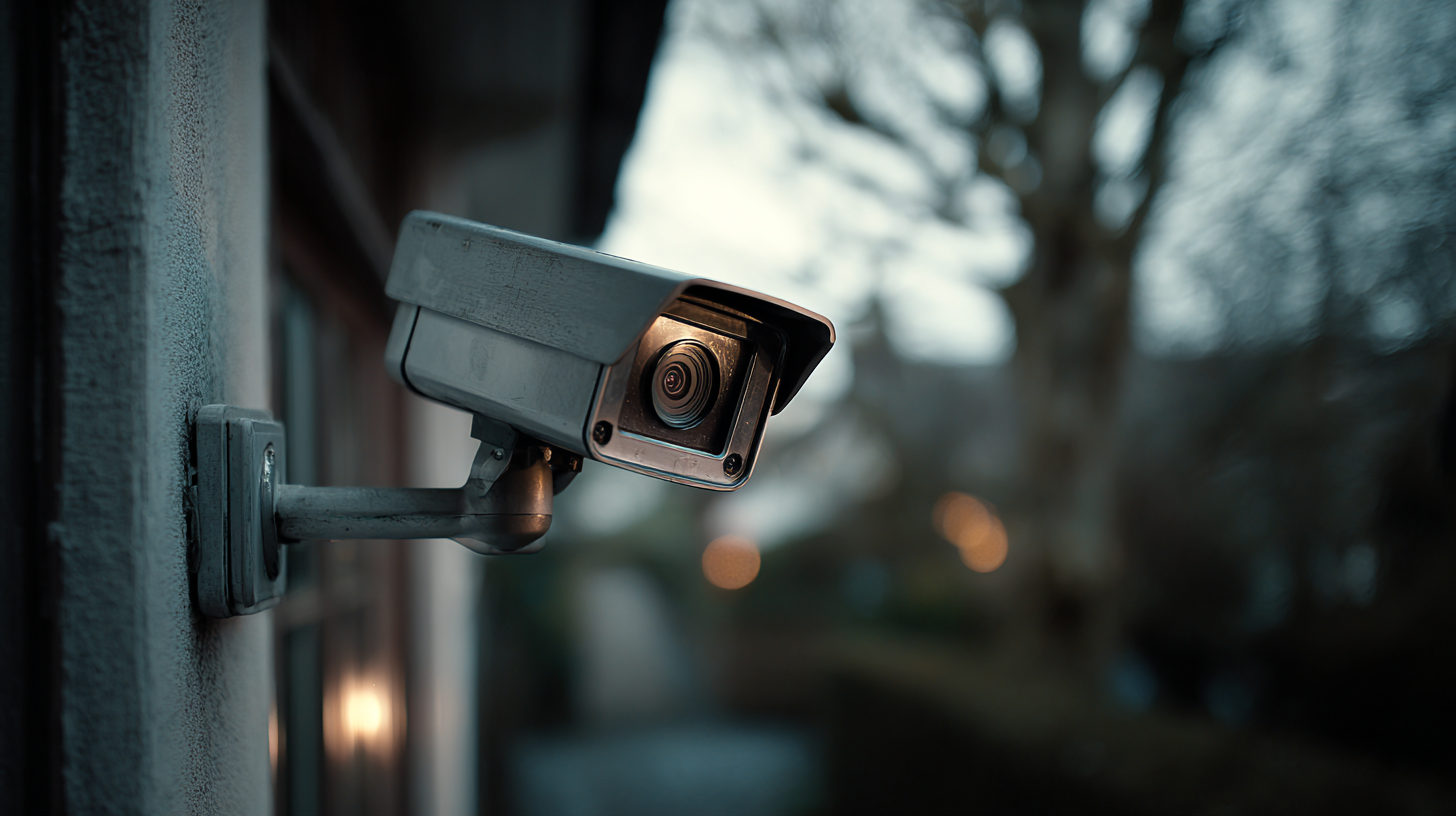
If you rent your place, you might think a home security system is off the table. Maybe you’re worried about drilling holes, losing your security deposit, or getting locked into a contract for a place you might leave in a year. That used to be a real problem. But the market has shifted pretty dramatically in the last few years, and there are now several solid systems built specifically for people who don’t own their home.
The key things to look for as a renter are wireless setup, peel-and-stick installation, no long-term contracts, and the ability to pack everything up and bring it to your next place without any hassle. With that in mind, here are the systems worth looking at right now.
SimpliSafe
SimpliSafe has been the go-to recommendation for renters for years, and that hasn’t changed. They were one of the first companies to really nail the DIY installation process, and every device comes with adhesive backing so you’re not putting a single hole in the wall. The whole system connects over Wi-Fi, and you can set it up in about 30 minutes without any tools.
There are no contracts, which is a big deal if you’re not sure how long you’ll be at your current address. You can switch between monitoring plans or cancel anytime. Their professional monitoring plans are reasonably priced, and they also offer video verification where a live agent can actually see what’s happening through your cameras when an alarm goes off. For a studio apartment or a three-bedroom rental house, SimpliSafe scales well because you can add or remove components whenever you want.
Abode
Abode is a strong pick if you’re into smart home integration. It works with Amazon Alexa, Google Assistant, and Apple HomeKit, which is a feature that most competitors either don’t offer or charge extra for. The installation is completely drill-free, and if you move, there are no relocation fees.
What makes Abode stand out is their CUE automation engine. You can set up rules that go beyond basic alarm triggers. For example, you could have your lights turn on and play an audio alert when a door opens late at night, which creates a deterrent without waking up the entire building with a siren. Equipment packages start around $180 for the base kit, and you can build out from there with motion sensors, glass break detectors, smart locks, and more.
Ring Alarm
If you’re on a tight budget, Ring is hard to beat. Their monitoring plans start under $10 a month, and the equipment packages are pretty affordable too, starting around $245 for a basic kit. Ring gives you a build-your-own option so you’re not paying for sensors you don’t need.
Ring also has one of the widest camera selections out there, from indoor cams to outdoor models to their well-known video doorbell. They even have some unusual accessories like a mailbox sensor and a pet tag. Every device runs on Wi-Fi and installs with adhesive or just sits on a shelf. One thing to keep in mind is that the doorbell camera quality drops off a bit at longer distances, so if you’ve got a long walkway to your front door, you might want to pair it with an additional outdoor camera.
Cove
Cove is a newer player in the space, but they’ve built up a solid reputation pretty quickly. Their pricing is competitive, the DIY installation is straightforward, and they recently partnered with Eufy for their camera lineup, which was a weak spot in the past. They also rolled out a new touchscreen panel with cellular backup, meaning your system stays active even if your power or internet goes out.
The no-contract monitoring options make Cove especially appealing if you’re the type of renter who moves frequently. You’re not locked into anything, and the equipment is light and portable enough to toss in a box on moving day.
Frontpoint
Frontpoint sits at a slightly higher price point, with monitoring fees running between $25 and $35 a month. But you get a lot for that money. Their customer service consistently gets good reviews, and they offer a moving kit if you need to relocate your system to a new address. Just call them up and they’ll send you everything you need to pack it up and reinstall at your next place.
They also have a decent smart home ecosystem with compatible locks, lights, plugs, and garage door openers. If you want a system that feels more like a full home automation setup rather than just an alarm, Frontpoint is worth the extra cost.
What to Think About Before You Buy
Before you pick a system, take a few minutes to think about what you actually need. If you’re in a small apartment, a base station with a couple of door sensors and a motion detector might be more than enough. If you’re renting a house with a yard and multiple entry points, you’ll want more sensors and probably at least one outdoor camera.
Also consider whether you want professional monitoring or if you’re comfortable with self-monitoring through an app. Self-monitoring saves you money every month, but it means nobody’s calling the police on your behalf if you miss a notification while you’re in a meeting or asleep.
Check your lease too. Most landlords have no issue with wireless, adhesive-based systems since they don’t alter the property at all. But if you’re planning to mount outdoor cameras or run any kind of wiring, it’s worth a quick conversation with your landlord first.
Wireless systems do have one trade-off worth mentioning. They depend on your Wi-Fi and cellular connections, so if you live in an area with spotty internet, you might experience occasional lag in notifications or camera feeds. A system with cellular backup like Cove’s new panel can help with that.
The bottom line is that renters have better options now than at any point in the past. You don’t need to sacrifice security just because you don’t own the place.