
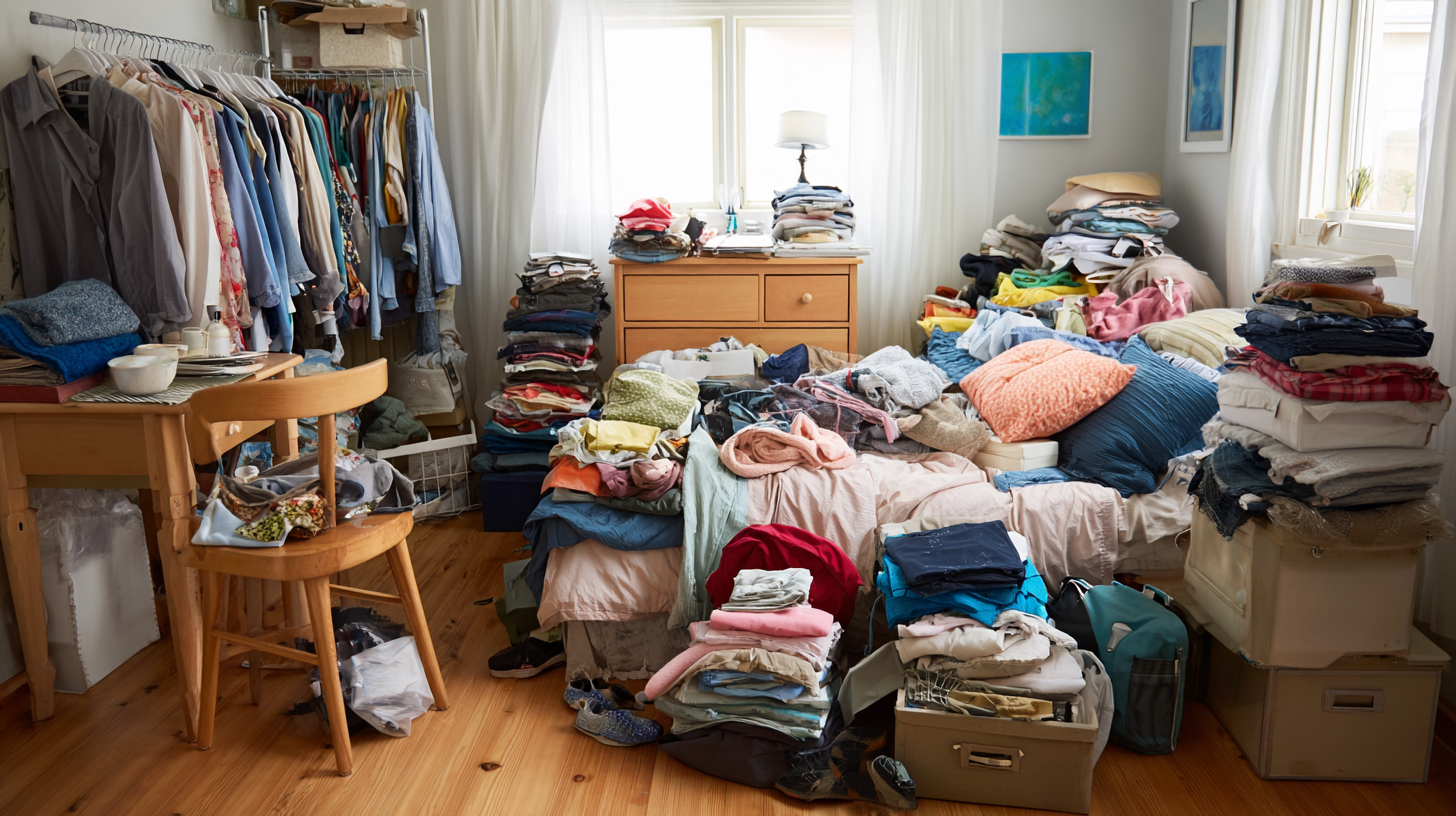
There’s a specific kind of stress that comes from living in a cluttered house. It’s not dramatic. It’s more like background noise. Cabinets you’re afraid to open because stuff falls out. Drawers so jammed you can’t find anything. Countertops covered in things that don’t have a home. You get used to it after a while, but it quietly eats at your energy and your ability to relax in your own space.
The biggest reason people never finish a declutter project is because they try to tackle the whole house at once. They spend a Saturday pulling everything out of every room, get overwhelmed by 3pm, shove most of it back where it came from, and never try again. The room-by-room approach works because it keeps things manageable. You focus on one space, finish it, feel the win, and use that momentum to move on to the next.
Start With the Kitchen
The kitchen is the best place to begin because it’s the most used room in the house and the decisions are mostly practical, not emotional. You’re not going to agonize over whether to keep an expired can of chickpeas. That makes it a fast confidence builder.
Start small. Pick one drawer or one cabinet, not the entire kitchen. Pull everything out, wipe down the inside, and only put back what you actually use. That garlic press you bought four years ago and used once? Gone. The stack of takeout menus from restaurants that don’t exist anymore? Gone. Duplicate spatulas, chipped mugs, mystery lids with no matching containers, all of it.
For the pantry, toss anything expired and be honest about the stuff that technically hasn’t expired but has been sitting there untouched for a year. Combine duplicates and group similar items together so you can actually see what you have. A lot of people overbuy groceries simply because they can’t tell what’s already in the pantry.
One rule that helps keep kitchen counters clear going forward: if you don’t use it at least five days a week, it doesn’t earn a permanent spot on the counter. The stand mixer, the toaster oven, the bread machine. If they only come out occasionally, store them in a cabinet and free up that surface space.
Bathrooms
Bathrooms are another quick win because they’re small and most of the stuff in them has a clear expiration date. Go through your medicine cabinet and toss anything expired. Same with old cosmetics, half-used bottles of products you didn’t like, dried up nail polish, and those hotel miniatures you grabbed two vacations ago and never touched.
Most people have way more products than they use. If you have eight different shampoo bottles and only use two of them, the other six are just taking up space. Pare down to what you actually reach for on a regular basis. Keep a small stash of backups for the essentials and get rid of everything else.
Under the sink tends to become a black hole of cleaning products, hair tools, and random stuff that got shoved in there over time. Pull it all out, keep what you use, and toss or donate the rest. A couple of small bins or a stackable shelf insert under there makes a huge difference in keeping it organized after you’ve cleared it out.
Bedrooms
Bedrooms accumulate clutter quietly because the door is usually closed and nobody else sees it. Clothes on the chair, stuff piled on the nightstand, half-unpacked bags from trips, random items that migrated in from other rooms and never left.
Start with surfaces. Clear off the nightstands, the dresser top, and any other flat surface that’s become a landing pad for stuff. Put things back where they actually belong and toss whatever is genuinely trash. Then move to the closet.
The closet is where most people get stuck because it involves making decisions about clothes, which can feel surprisingly personal. A simple filter helps: have you worn it in the last six months? Does it fit? Is it in decent condition? If the answer to any of those is no, it goes in the donate pile. Be especially ruthless with clothes you’re keeping “just in case” or because you spent good money on them. If you haven’t touched them in over a year, they’re not serving you. They’re just occupying hangers.
Once you’ve thinned things out, organize what’s left by category and put the stuff you wear most often front and center where it’s easy to grab. Out-of-season clothes can go in bins or toward the back.
Living Room
Living rooms get cluttered because they’re high-traffic areas where everyone in the house drops things and nobody puts them away. The fix is two-fold: clear out what doesn’t belong, and create storage solutions for the stuff that does.
Walk through and grab everything that belongs in another room. Dishes go back to the kitchen, shoes go to the closet, toys go to the kid’s room. Use a laundry basket to collect it all in one sweep and then distribute it. Once the strays are gone, look at what’s left. Old magazines and newspapers, remote controls for devices you no longer own, decorative items you’ve stopped noticing, cables and cords tangled behind the TV. Clear the dead weight.
For the stuff that does live in the living room, like blankets, books, gaming controllers, and remotes, make sure each item has a designated spot. Baskets, storage ottomans, and simple shelving go a long way. The goal is that when you’re done using something, there’s an obvious place to put it back. If there isn’t, the clutter will return within a week.
Home Office
If you work from home, your office probably has layers of paper, old cables, random office supplies, and gadgets you stopped using years ago. Paper is usually the biggest offender. Go through it and shred or recycle anything you don’t need. For important documents you want to keep, a simple filing system with labeled folders beats a stack on the desk every time.
Old chargers and cables multiply in desk drawers like they’re breeding. Pull them all out, match them to devices you actually own, and recycle the rest. Same goes for pens that don’t work, dried-up highlighters, and office supplies you have fifteen of when you only need two.
Garage, Attic, and Storage Areas
Save these for last. They’re the hardest because they’re full of sentimental items, holiday decorations, old furniture, and boxes of stuff from previous phases of your life. These spaces take the most emotional energy to sort through, so you want the momentum from finishing the rest of the house before you dig in.
The question to ask with stored items is simple: if this box has been sitting here unopened for two or more years, do I actually need what’s inside it? Most of the time the answer is no. That doesn’t mean you throw away photo albums or family heirlooms. But the boxes of college textbooks, old kitchen gadgets, and clothes from a decade ago can almost certainly go.
Getting Stuff Out of the House
This is the step most people skip, and it’s the reason clutter comes back. You make your donate pile, set it by the door or in the garage, and then it sits there for three weeks and slowly gets reabsorbed back into the house. Schedule a donation drop-off or pickup the same week you sort. Put the bags in your car immediately so they’re out of sight and out of reach. The faster decluttered items leave your house, the less likely you are to second-guess yourself and pull things back out.
If items are in good condition, Habitat for Humanity ReStores take furniture and household goods. Thrift stores take most clothing and small items. For anything that’s truly done, check your local recycling options before sending it to the landfill.
Keeping It That Way
The real challenge with decluttering isn’t the initial purge. It’s maintaining it. A quick nightly reset, where you spend five or ten minutes putting things back where they belong before bed, keeps surfaces clear and prevents those slow buildups from starting again. And going forward, try to follow a one-in-one-out rule. When something new comes into the house, something old leaves. It’s the simplest way to keep your home from creeping back toward where you started.